“Whenever I start a project, I send an email out to all the subs before I even meet them, telling them what our expectations are.” With 38 years of construction experience, Senior Superintendent Rich DeWitt knows that spotting safety issues may be second nature to him, but communicating about safety must be deliberate.
Rich is just one of the HBW leaders who focus on job site safety and maintain our well-earned reputation for rigorous practices. The keys to our safety culture? Consistency and communication. As the industry celebrates Construction Safety Week 2025, we sat down to discuss six construction best practices at HBW.
1. Plan For Safety
“Consistency makes culture,” says Rande Naylor, HBW’s Field Operations Manager. “We tell everyone that safety starts with the individual and everyone is accountable, but we also put lots of planning into making our job sites as safe as possible. You’ll find yourself behind the curve if you’re just reacting to dangerous situations.”
HBW integrates safety into project planning and scheduling, allocating resources to ensure that tasks are handled correctly and protocols are followed to the letter.
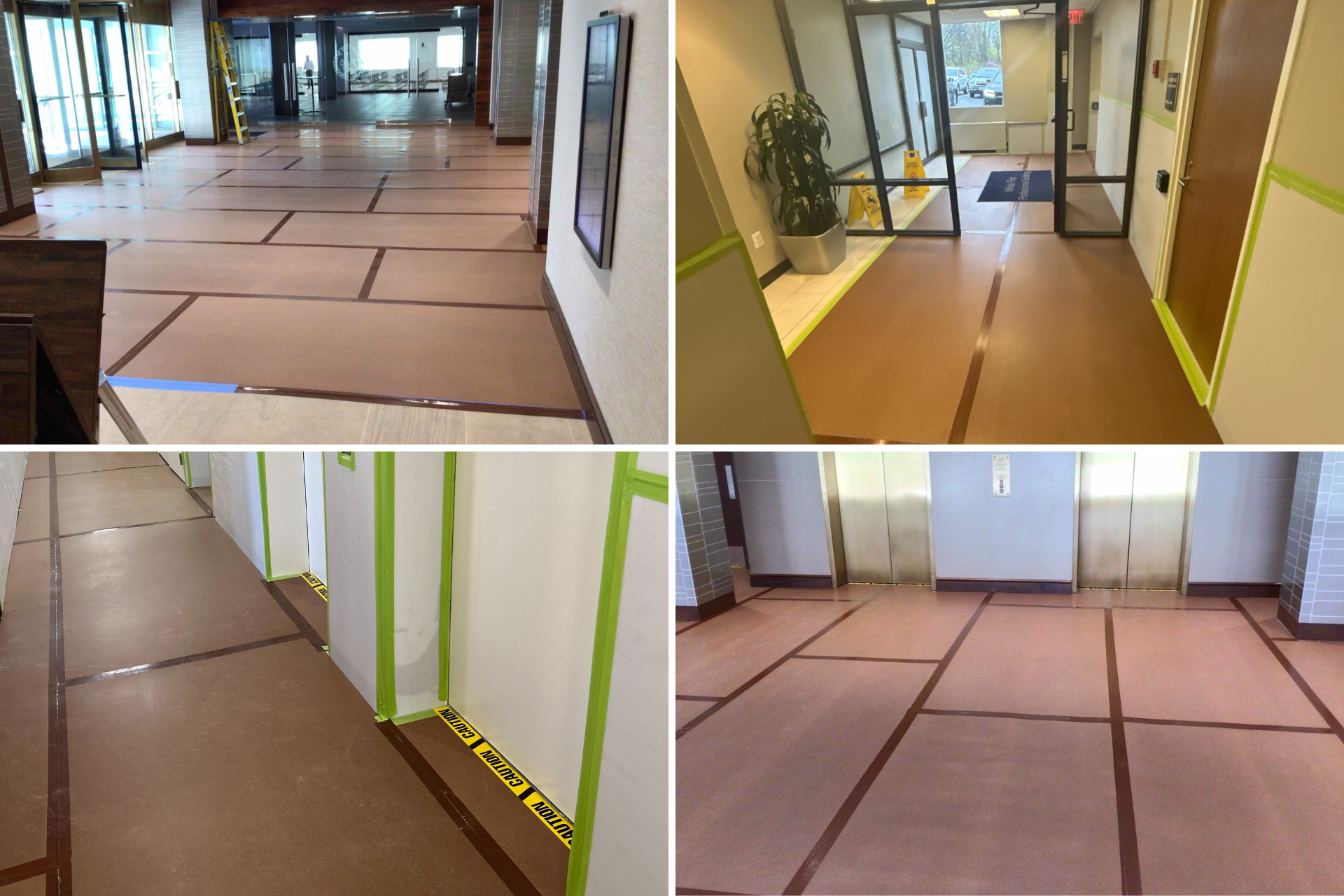
“When a superintendent is consistent with safety, they get a reputation, expectations are set, and safety on that job gets easier,” adds Rich. “But when all superintendents are consistent, the company itself gets that reputation. Everybody’s on the same page. Planning for safety helps set the tone for every project.”
Rande is known for saying, “A clean job site is a safe job site!” He explains that being tidy and organized is part of the planning necessary for the construction industry safety. “It’s easy to get caught up in the moment. You’re thinking about getting the task done. Moving the ladder closer or picking up the extension cord takes longer, but it’s never worth risking your life to finish faster.” Rande credits a clean, organized worksite for better workflows and an easier time spotting potential dangers.
2. Look Out For Potential Risks
Much of a superintendent’s job is watching what others are doing. At HBW, our superintendents also keep an eye trained on potential hazards, from untied boots to equipment lying about to raised working surfaces.
“We often say that if you’re always looking, you’ll always find something. That doesn’t mean you fall into reactive mode. Every potential risk you point out is an opportunity to do the work better by doing it safer,” says Rich. He recalled a recent build with a slab that was 22 feet high. Everyone needed to work at that height, so Rich had the company that supplies the lifts train and certify that everyone knew how to operate the lifts so they could go about their work.
3. Insist on Personal Protective Equipment (PPE)
It may seem foundational, but HBW insists on wearing PPE on job sites from the first day to the very last. PPE can include hard hats, safety glasses, gloves, high-visibility vests, and steel-toed boots. While PPE is usually available at job sites, not all contractors or subcontractors enforce wearing it.
“When I was 18 years old, I was accidentally shot in the head with a nail gun,” explains Rich. “We were outside on a job site and not wearing hard hats. I was very lucky that the nail only went into my scalp, but that day taught me a lesson that I carry with me every day. Accidents can happen, and PPE is your chance to prepare.”
4. Review Job-Specific Safety
In construction, it’s easy to be lulled into complacency. The crew often work with the same tools, doing the same tasks, day in and day out. Reviewing site-specific safety measures may be the only difference. That’s why HBW is intentional about safety at the site. Our Toolbox Talks, Foremen Huddles, and other daily check-ins are practices that have been proven to keep employees safer.
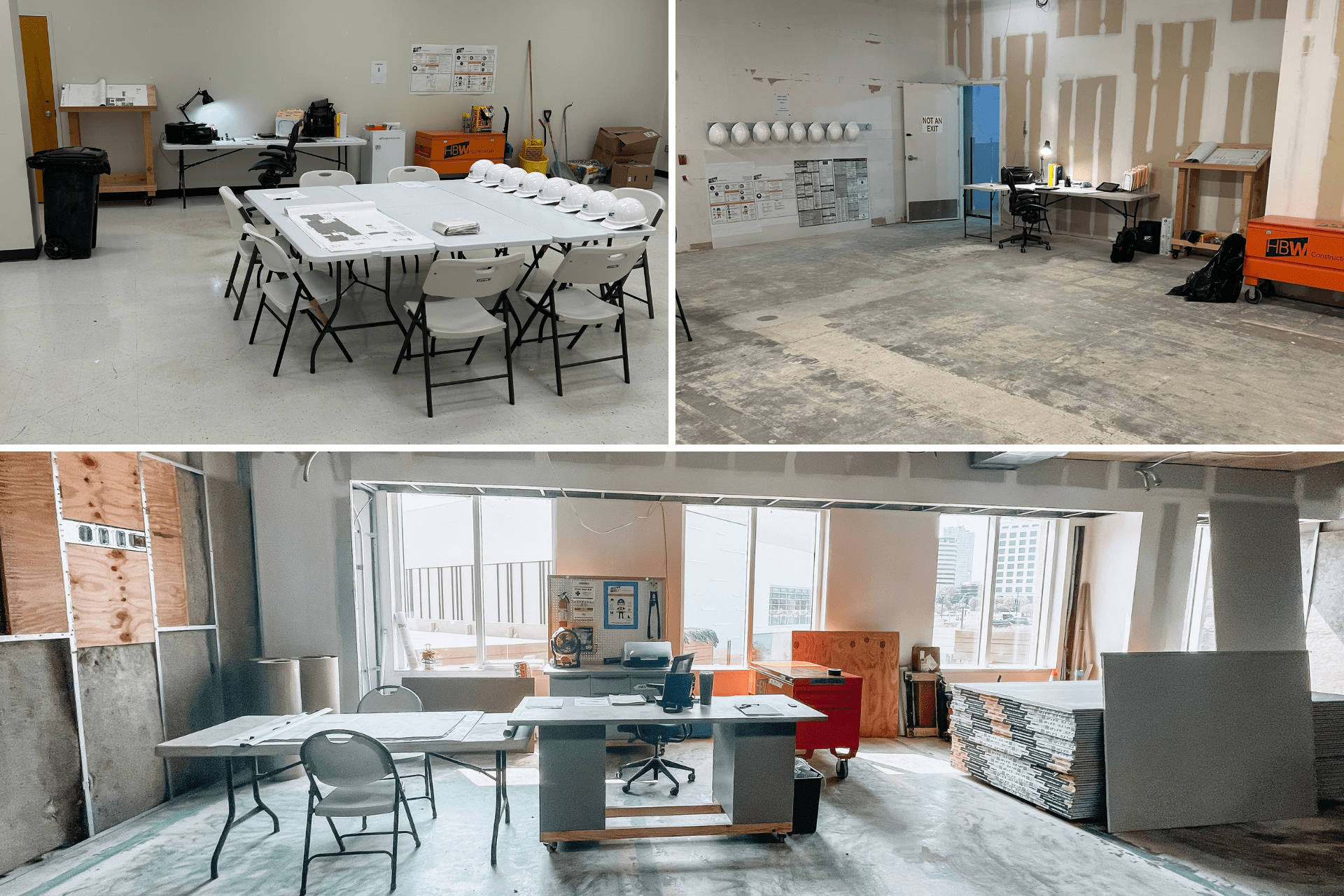
“We emphasize that doing the work properly starts with checking the boxes for that specific task. The electric crew has to have their suits, face guards, and gloves before they start. There’s no room for taking shortcuts. My checklist is even bigger: Are the cords good on all their tools? Is there enough light to see what you’re doing? Are we following the recommended steps for this install?” says Rich.
5. Be Open to Other Perspectives on Safety
Being open to ideas from anyone on the team is part of the HBW culture, and it extends to safety. We use a third-party safety inspection service to provide an outside perspective and identify any issues. Rich explains, “There’s no favoritism or letting it slide one time. They chart their findings, and if we have gaps, we find out fast and fix them.”
HBW also tasks its foremen with safety. These leads for each trade are in charge of the workmanship itself. At HBW, they are encouraged to voice concerns among themselves and with the superintendent anytime an issue could impact safety, like two crews needing to work in the same area simultaneously.
6. Never Stop Learning
Like many construction firms, HBW has an onboarding process that includes basic safety skills. Our employees review CPR and first aid, project safety, hazard identification, PPE usage, and emergency procedures. Each role requires additional training hours and certifications. The learning doesn’t stop there. We make safety education part of our daily and weekly routines, keeping our knowledge current and presenting information in different ways to make the information engaging and appealing to different types of learners.
Maintaining Our Safety-First Culture
Construction Safety Week may be when we talk about our safety program to the world, but safety is an integral part of our daily work. By following a multi-faceted safety program—one that often exceeds industry standards and others’ best practices—we have established a safety-first culture that distinguishes our business. Applied consistently and communicated clearly, that culture sets a high bar for commercial construction.
Rich concludes, “A company’s safety program is a direct indicator of how much they value their clients, their employees, and their subcontractors. When you’re on an HBW job site, it’s clear that we care about people.”
The rising sun glints off the metal struts as Superintendent Don Johnson slowly climbs a five-story stair tower, scanning every tread, bolt, and gap for unseen danger. He has done the same climb every morning for months before anyone else is allowed to use the stair tower, an external structure that allows personnel to enter the job site and hoist materials. Don’s attention to safety details made him ideal for this ongoing project, but he’s just one of dozens of HBW superintendents who actively bring safety into work processes.
Don and the other superintendents will have their moment in the spotlight this week as HBW observes Construction Safety Week. The firm plans to share lessons learned, best practices, and words of advice from their superintendents. Blogs, social posts, and site visits will capture these stories, but they will be familiar to any subcontractor or vendor who has worked with HBW. The company has prioritized safety since it was founded, holding itself to the highest standards.
Planning can keep a job site safer
Field Operations Manager Rande Naylor explains, “Safety at HBW is an everyday thing, not just a Safety Week thing. How we do it comes down to planning, accountability, and communication. So, during Safety Week, I’ll be in Gaithersburg at the Aldi grocery store we are building, showcasing the work of Superintendent George Raivel. George’s site has the potential for situations that OSHA might focus on, but he’s followed our processes to plan ahead, anticipating the risks and determining how best to avoid them. He holds his crew accountable for following safety protocols and training and has established excellent communication channels so everyone who steps on site understands what they need to be doing to stay safe. It’s a success story, for sure.”
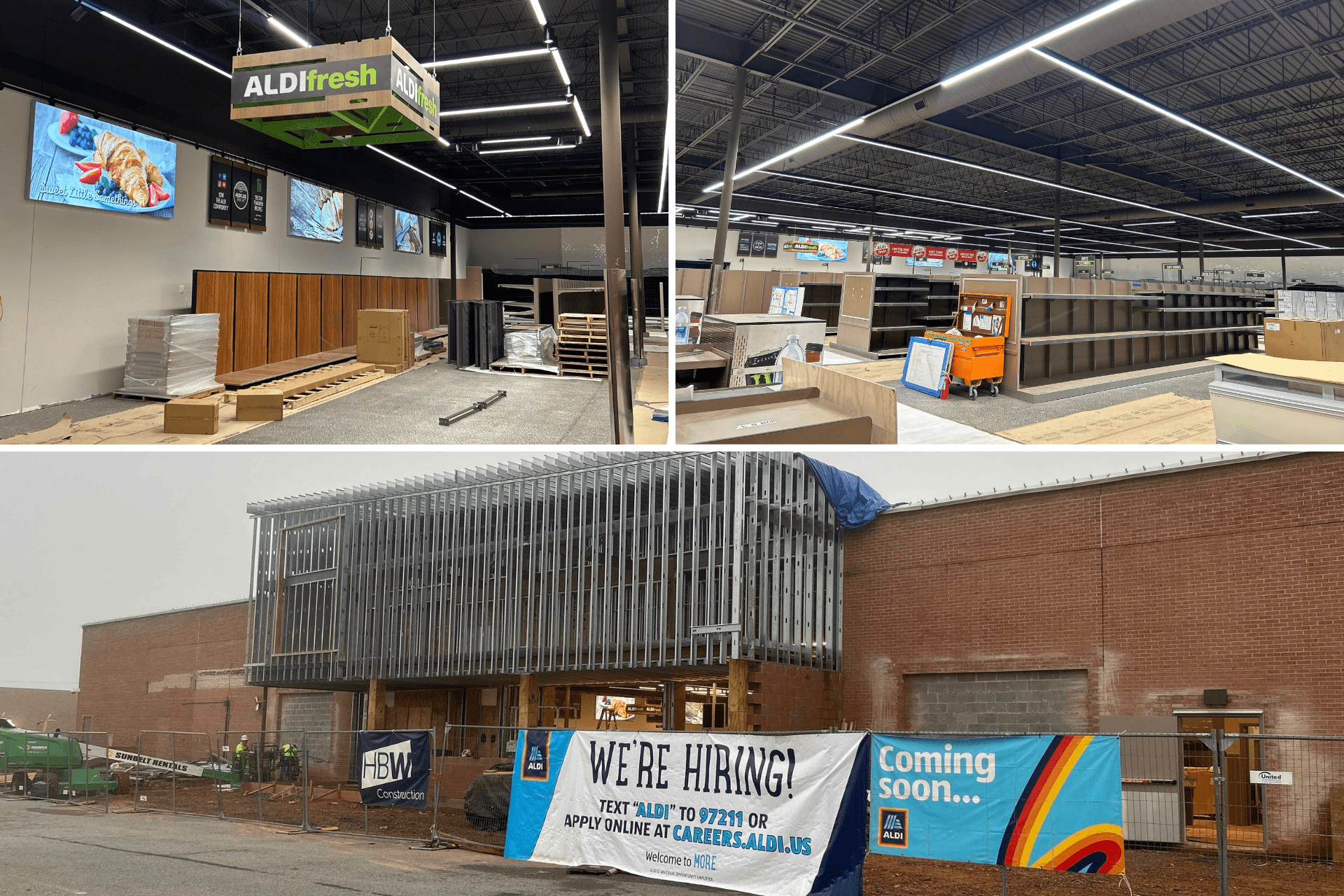
During the site visits, Rande will also recognize individuals on HBW’s many job sites who have followed safety protocols to the letter or gone the extra mile for safety.
As the firm brings plans to life, building stores and apartments and remodeling spaces for new tenants, planning ahead for safety has become second nature to HBW employees, but it’s always remained the first priority.
Allison Lambert, Construction Project Manager, starts thinking about safety before HBW even bids on a job. “We need to account for the time and steps it’s going to take to do each job correctly but also safely. PMs go out and do a site survey so we can even put together the estimate, and that’s when you start thinking about the safety aspects. You might think to yourself, OK, we’ll need an external stairwell, so that’s going to be covered in your bid because there are going to be extra safety costs associated with it. Once we get the job, we share all those things we’ve flagged with the superintendent. There’s a back-and-forth as we bounce ideas off of each other. We need all the eyes we can get on safety.”
Don Johnson agrees. “Some companies don’t think about the safety aspect until they’re already on the job and an issue comes up. Here, it’s the forethought that goes into it. It’s the planning from the get-go. It’s very proactive, not reactive.”
HBW’s brand of safety
With years of field experience and training, HBW counts on its superintendents to share what they know and set expectations for safe construction. Rande routinely sends superintendents to other job sites to learn about safety approaches or see how situations are being handled. “I tell them to soak up all the knowledge.”
Yet superintendents aren’t the only ones in charge of occupational safety. At HBW, it’s a collaborative effort between project managers who come up with the plan, superintendents who implement the plan, and subcontractors who work on the plan. And for the hazards that crop up suddenly? Rande says, “We adjust on the spot, pulling in anyone with experience to gather ideas.”
HBW also uses a third-party safety company, Diversified. They add another set of eyes to projects that are big or particularly challenging. The firm counts on those outside experts to be super picky about safety and find things the HBW team might have missed. They also look for them to share situations and solutions that they’ve seen in other jobs.
Value Every Voice: The 2024 theme for Construction Safety Week
HBW is well aligned with this year’s Construction Safety Week theme, Value Every Voice, and its core tenets to Encourage, Listen, and Empower. Indeed, HBW is living out those values every day and on every job site.
“You want to talk to the laborers out sweeping the floor and the subs who are just there for a day. Everybody can have an idea or an opinion. We take all concerns about building site safety very seriously. For every off-hand comment, we’ll take the time to go check it out. They might just see something we’ve missed,” says Allison.
“Plus, we’ve found that if they’re part of identifying or solving safety issues, then they are more willing to adhere to the corrective steps and make the extra effort for safety,” adds Don.
Rande concludes, “At the end of the day, whether it is Construction Safety Week or week 5 on the job, we want everybody to go home the same way they came to the job site.”
Construction Safety Week is May 6-10, 2024.